Announcing our 2025-2026 Cervical Cancer Grants Program Awardees!
21 August, 2025
TogetHER for Health launched our Cervical Cancer Grants Program in 2019, tapping into the quality and innovations of programs in low- and middle-income countries to show what works to save women’s lives. That year we received about 25 proposals and were pleased to provide grants to Fundación Movicancer and Jhpiego Botswana supporting improved uptake of vaccination, cervical cancer screening, and preventive treatment in their communities.
This initiative has grown immensely since then. This year, our Request for Proposals garnered an astounding 365 proposals from 60 countries. The process of reviewing submissions from hundreds of worthy organizations was difficult but consistently rewarding, allowing us a window into the challenges and opportunities faced by programs all over the world. We are humbled by and grateful for all of the individuals and organizations serving on the front lines to fight cervical cancer worldwide.
We’re proud to announce our 2025-2026 awards under our Grants Program for the following six organizations:
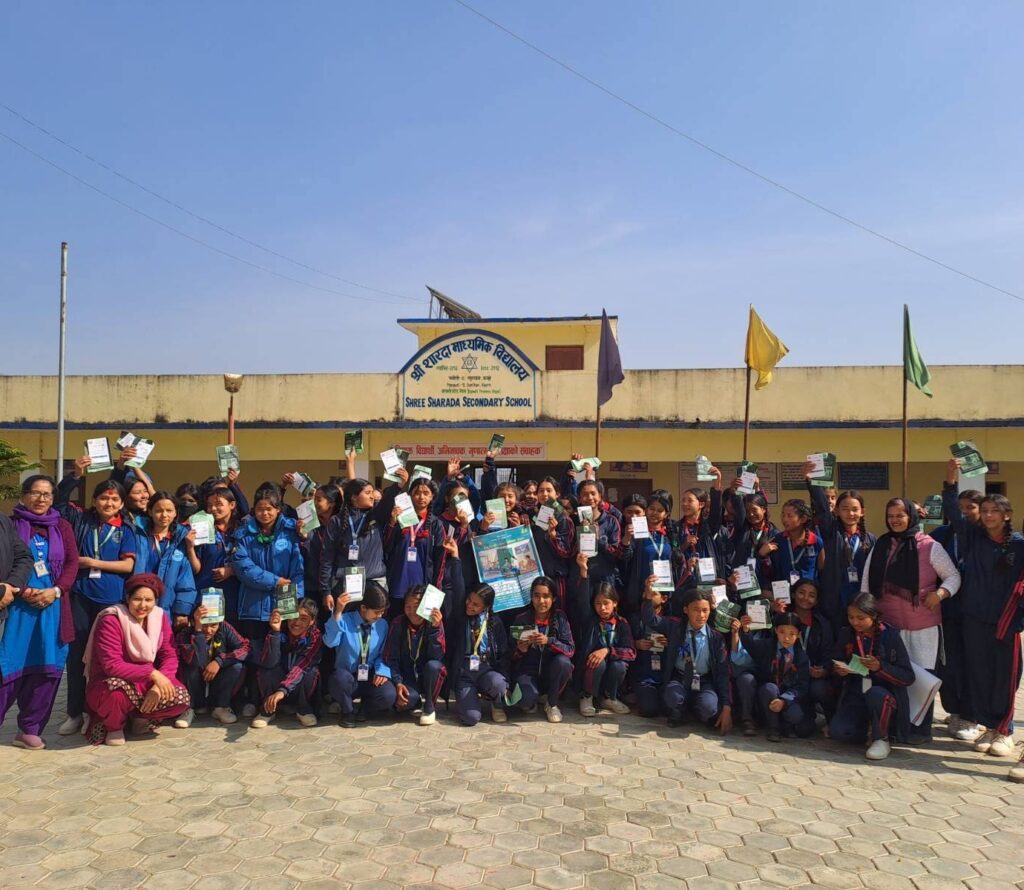
KMC Alumni Health Sector’s project aims to increase cervical cancer screening among hard-to-reach women in rural Nepal by introducing HPV self-sampling kits alongside the national HPV vaccination campaign for girls 10–14 years of age. Through a ‘daughter-to-mother’ model, vaccinated girls deliver self-sampling kits to their mothers or female guardians. The kits are distributed from health facilities to schools via Nepal’s extensive network of Female Community Health Volunteers, uniquely positioned to reach remote communities.
This approach aims to overcome stigma, fear, and misinformation while addressing Nepal’s geographic barriers. By leveraging existing health infrastructure and the recent national momentum for cervical cancer elimination, the project will generate evidence to inform policy for scale-up and accelerate Nepal’s progress toward the World Health Organization’s goal of eliminating cervical cancer.
Our support for KMC Alumni Sector in this funding cycle is made possible through a partnership with Maverick Collective, a community of female philanthropists making catalytic investments in health and reproductive rights to advance gender equality. We want to acknowledge the generous support of Maverick Collective members, which has enabled us to expand the number of grants we are offering this year. More on Maverick Collective can be found here.
Health Systems Insight (formerly ThinkWell Institute) is developing targeted economic advocacy materials to equip national and county-level policymakers in Kenya with compelling evidence on HPV vaccination and screening investments. Despite strong epidemiological and economic data supporting single-dose HPV vaccination, implementation has been slow, partly due to knowledge gaps among decision-makers.
This project will create customized policy briefs, cost-benefit analyses, and advocacy tools to demonstrate the tremendous return on investment for cervical cancer prevention in Kenya. Through strategic policy dialogues and stakeholder engagement, Health Systems Insight is working to accelerate policy changes and increase budget allocations for these life-saving interventions across Kenya’s counties.

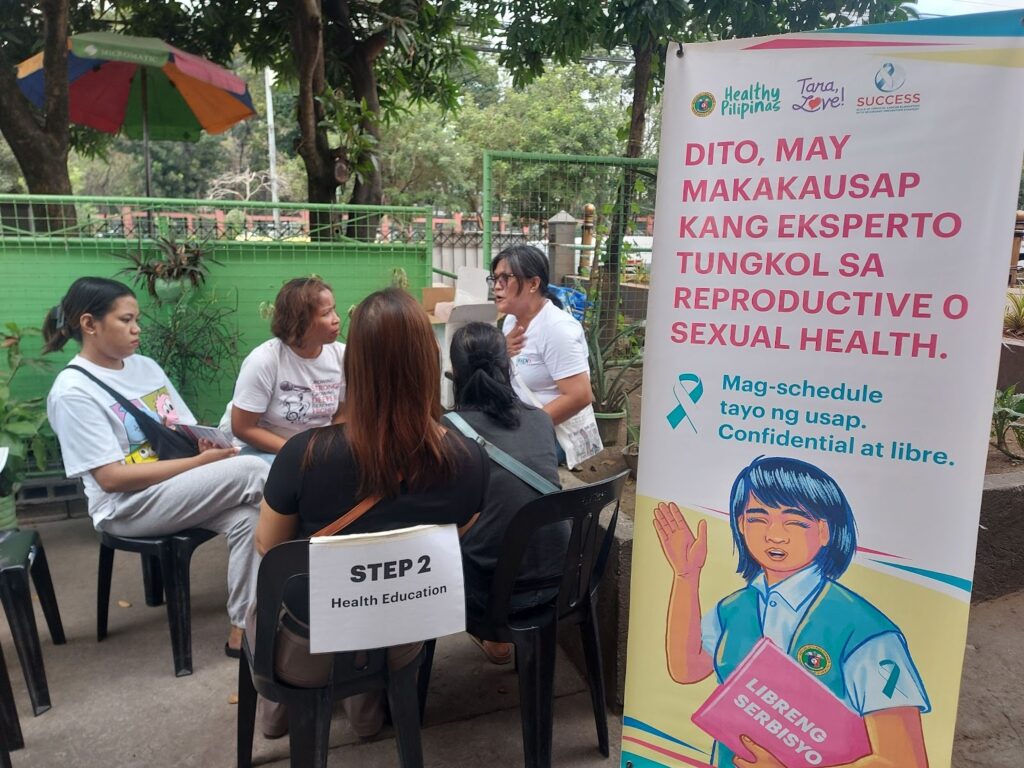
Jhpiego Philippines’ Increasing Demand for Pre-cancer Treatment through Health Empowerment (InDEPTH) project aims to close systems-level, demand, awareness and service delivery gaps between cervical cancer screening and treatment of precancerous lesions. This project will pilot a community-based and community-led patient navigation model to ensure continuity of care, strengthen the capacity of medical and non-medical navigators, and roll out a social behavior change campaign to encourage positive health-seeking behavior and norms around treatment of cervical pre-cancer lesions in primary health care settings in Quezon City, Philippines.
The Tajik Family Planning Association (TFPA) is launching a targeted cervical cancer prevention initiative in two high-risk areas of Tajikistan — Rasht District and the city of Tursunzade — where incidence rates have risen sharply in recent years. The project will combine community education, HPV self-sampling for women, and follow-up care for those testing positive for high-risk HPV types.
Through focus-group discussions, radio campaigns, and partnerships with local clinics, TFPA will address cultural barriers, expand access to screening, and inform national policy recommendations. The goal is to improve early detection, increase HPV vaccination acceptance, and reduce cervical cancer incidence.

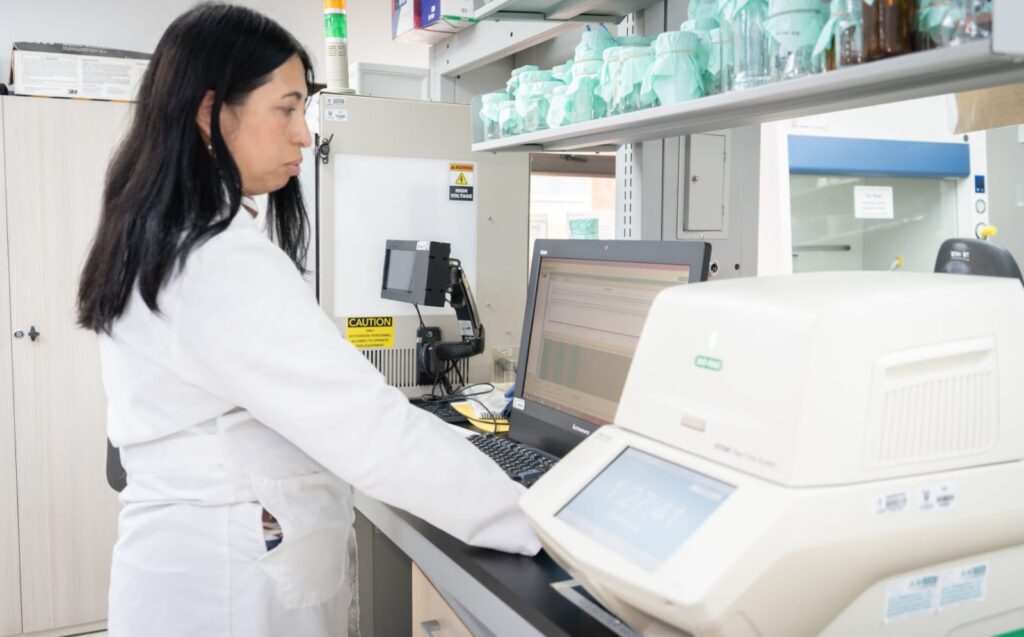
Fundación SalBo is a Colombian non-profit organization driven by the conviction that no woman should die from a preventable cancer. They are contributing to the elimination of cervical cancer in Latin America through awareness-raising, prevention, and transformational actions in the social, legal, and educational spheres, aligned with the WHO’s 90-70-90 global strategy and the Sustainable Development Goals.
Developed in partnership with the INMUBO Research at Universidad El Bosque, this project aims to validate the use of urine-based samples for HPV DNA detection as an innovative strategy for cervical cancer screening, This self-sampling method is designed to provide a non-invasive, simple, and highly acceptable alternative that can circumvent barriers to access, particularly among vulnerable populations. The study will compare urine-based testing results with cytology and vaginal swabs, with the ultimate goal of expanding screening coverage, transforming cervical cancer prevention, and saving lives.
Support for Fundación SalBo is made possible through a partnership with the Sullivan Family Charitable Foundation, whose mission is to bridge cultures and change lives by fostering bilingualism and multilingualism. The Sullivan Family Charitable Foundation transforms lives by funding programs and institutions that advance opportunity and equity for individuals, families, and communities.
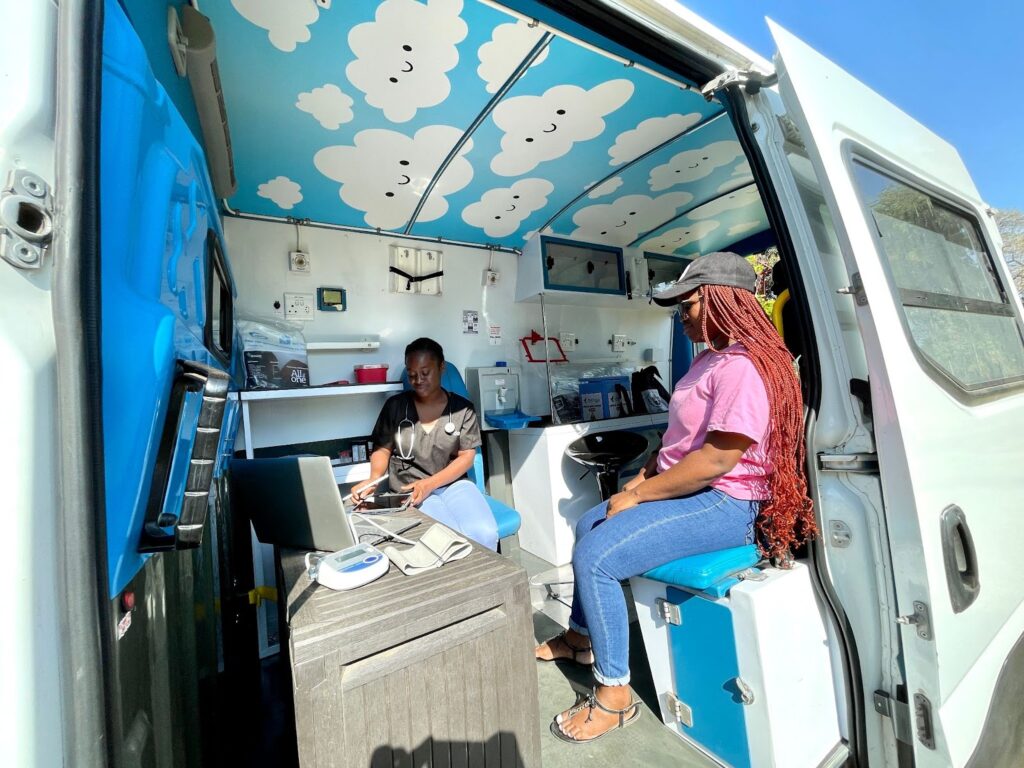
DawaMom Foundation is addressing Zambia’s cervical cancer crisis, which ranks as the second-highest in the world. With only 33% of women in the country having ever been screened, the project will expand DawaMom’s AI-powered digital health platform to strengthen prevention and screening efforts in slum and peri-urban communities. The organization will enhance its multilingual, GenAI-powered chatbot to educate women on HPV vaccination and screening. The platform will also allow women to order HPV DNA self-test kits, delivered through DawaMom’s motorbike network.
Results will be returned digitally and supported by teleconsultations to reduce barriers such as stigma. This initiative combines AI-driven health education with last-mile logistics to increase demand and build a sustainable ecosystem for cervical cancer prevention in Zambia.
Our team would like to thank Allison Steinberg of Prevent Cancer Foundation, who volunteered her time as an external reviewer during our evaluation process. Click here to learn more about Prevent Cancer Foundation’s vision of a world where cancer is preventable, detectable and beatable for all.
This will be our only RFP for 2025, and we have not set a date for our next funding round. More information on our Grants Program can be found at this site. To be notified when we launch our next RFP, subscribe to our newsletter here.
Choosing these six grants out of so many worthy projects was extremely challenging. At a time when the financial future of global women’s health seems so uncertain, support for these organizations’ cervical health promotion efforts has never been more critical. TogetHER remains inspired by the galaxy of organizations primed to make cervical cancer elimination a reality in their countries and communities.